





Excellent 4.4 out of 5 Trustpilot

Custom Insert Molding Services

JS Precision specializes in insert molding services, embedding metal, ceramic, or electronic components into thermoplastics with ±0.02mm precision.

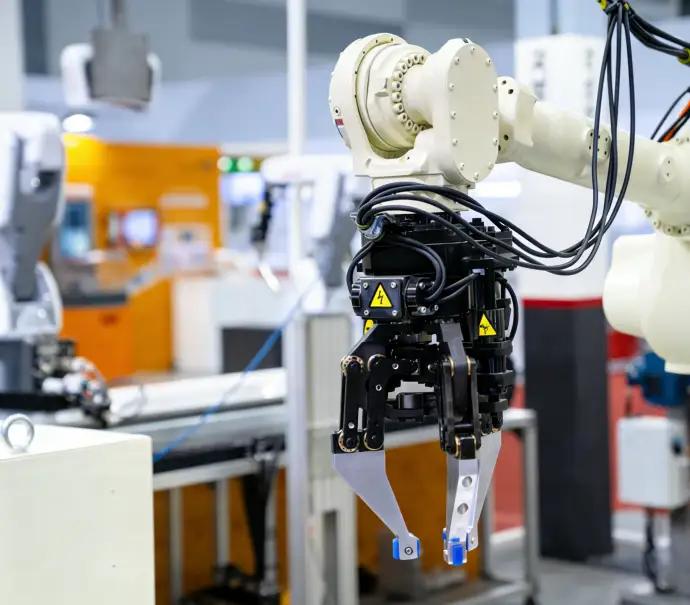
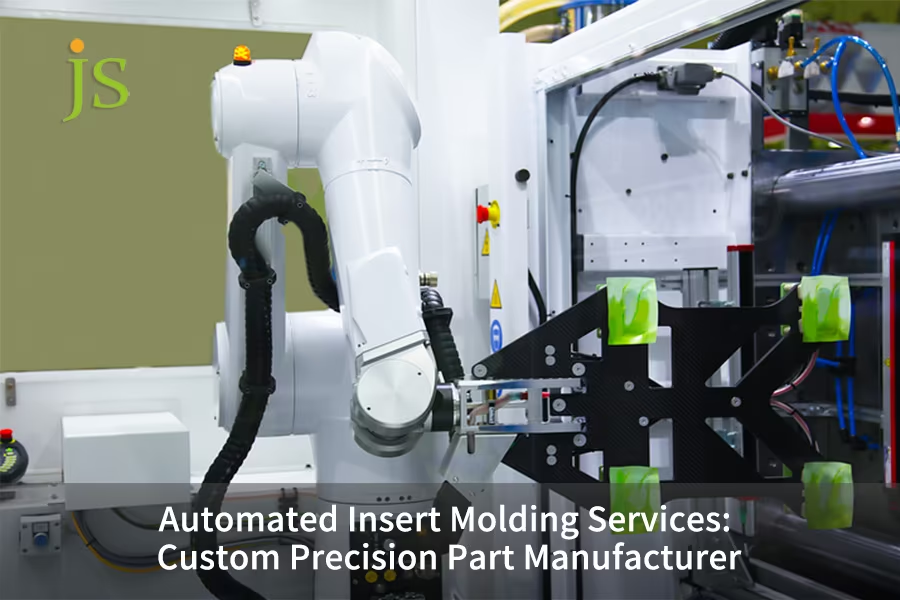
  • Precision Micro Insert Technology: Robotic placement guarantees ±0.02mm tolerances for connectors and sensors, with validated bond durability.
  • Rapid Development & High-Volume Production: T1 samples in 10 days; up to 128-cavity molds reduce assembly and unit cost.
  • Reliability in Demanding Environments: Components withstand vibration, thermal cycles, and chemicals, meeting ISO 9001 & 13485 standards.
Get Instant Quote
15+Years in Overmolding
180,000+Precision Overmolding Delivered
800+Global Clients Served
99.5%On-Time Delivery
ISO9001:2015 Certified

Trusted bynumerous companies

ABB
BMW
Bombardier
Electrolux
FLIR Systems
Google
i-dent
Lamborghini
Tesla
ABB
BMW
Bombardier
Electrolux
FLIR Systems
Google
i-dent
Lamborghini
Tesla

JS Precision has produced over 300,000 unique parts for more than 1,000 clients worldwide, helping bring their custom projects from concept to reality.

What is InsertMolding?

What is Insert Molding

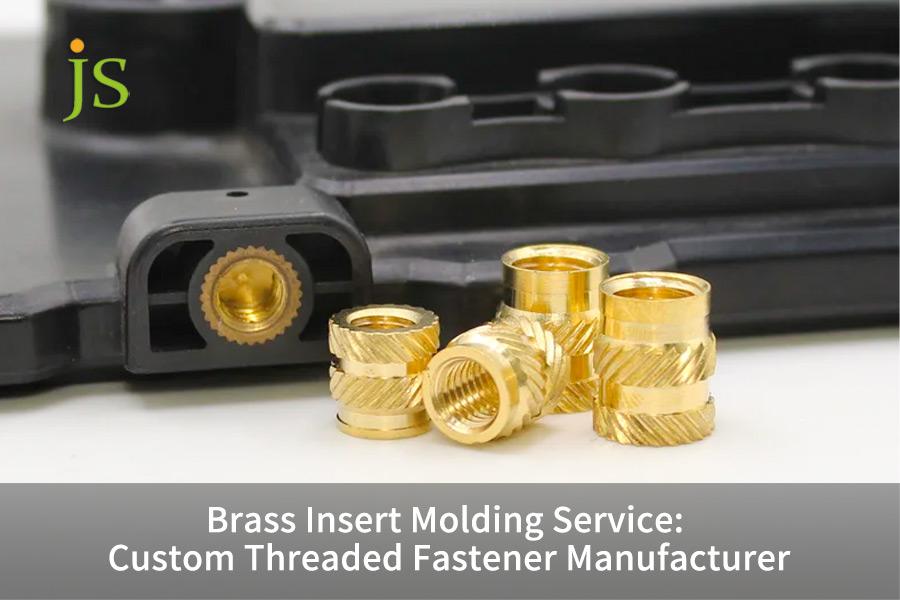
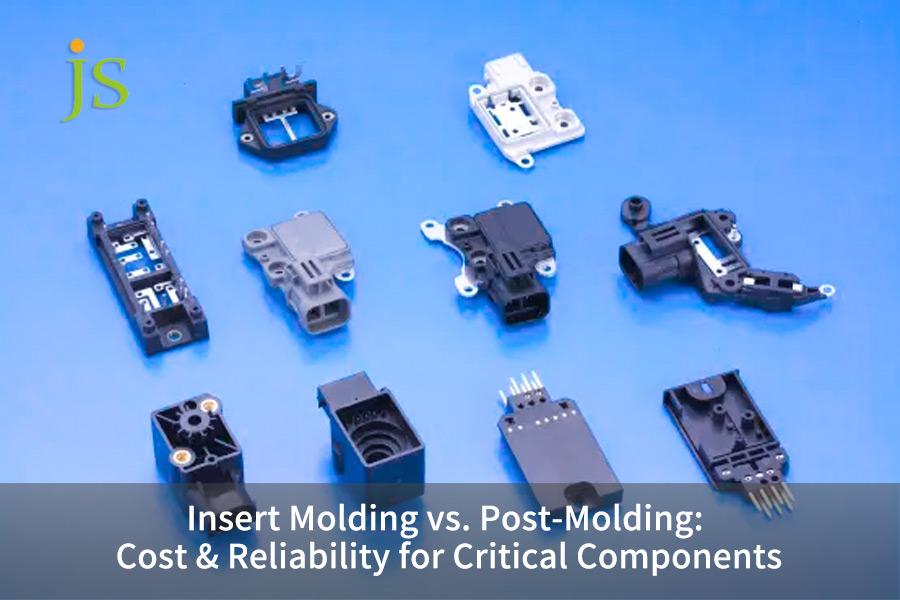
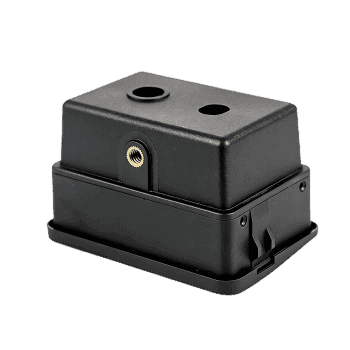
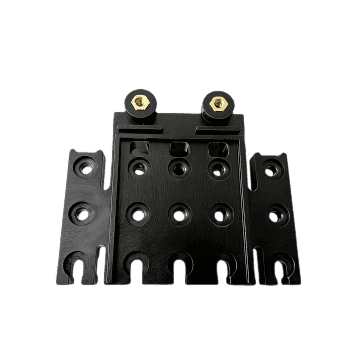
Insert molding is a precision injection molding process where plastic is injected into a mold containing pre-placed inserts, such as metal, ceramic, or electronic components. This method permanently bonds inserts within the molded plastic part, creating a single integrated component with enhanced properties.

  • Enhanced Component Performance

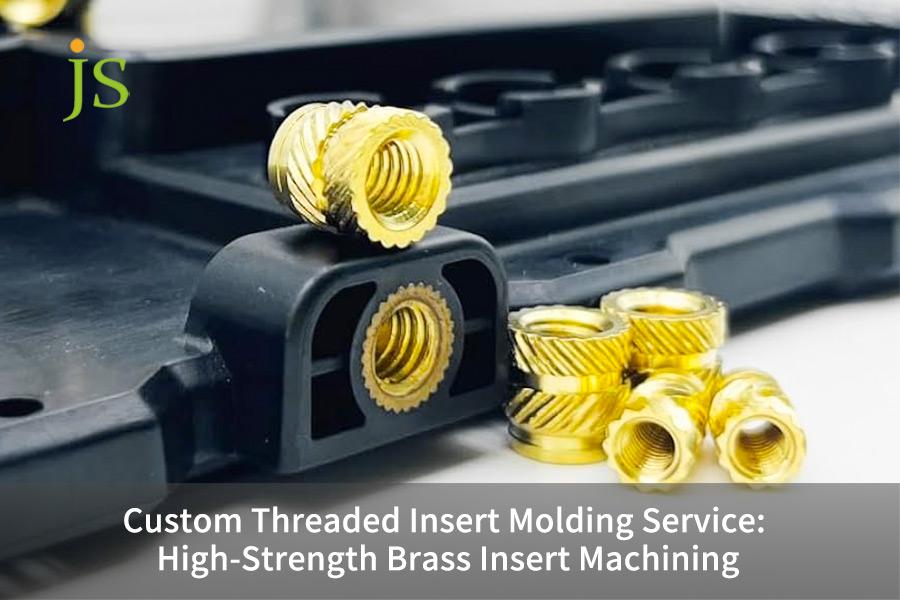
    By embedding inserts like threaded metal fasteners or conductive elements, insert molding improves mechanical strength, electrical connectivity, and durability. This process is ideal for producing reliable, high-performance parts for demanding applications.

  • Streamlined Manufacturing Efficiency

    Our professional insert molding services eliminate secondary assembly steps, reduce part counts, and lower overall production costs. Precision mold design and process control ensure consistent, high-volume manufacturing of complex plastic-metal composite parts.

  • Wide-Ranging Industry Applications

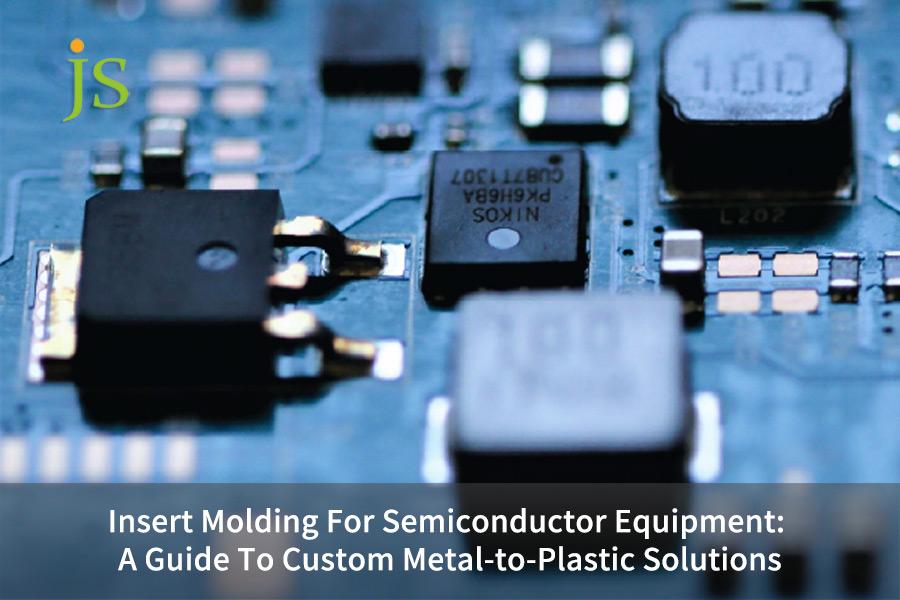
    This versatile technique supports the production of durable connectors, sensors, housings, and smart device components across electronics, automotive, medical, and industrial sectors, delivering robust solutions for integrated product designs.

Get a Quote

Insert Molding Tooling Solutions

We provide customized insert molding tooling services, supporting design optimization, material selection, and precision mold engineering. Our solutions streamline your product development from prototype to high-volume production.

PROTOTYPING

Rapid Tooling

Accelerate design validation and functional testing with high-quality prototype molds. Our rapid tooling service enables fast-turn production of small-batch plastic parts with embedded inserts, using cost-effective aluminum molds to reduce financial risk and shorten lead times before full-scale production.

Learn More
PRODUCTION

Production Tooling

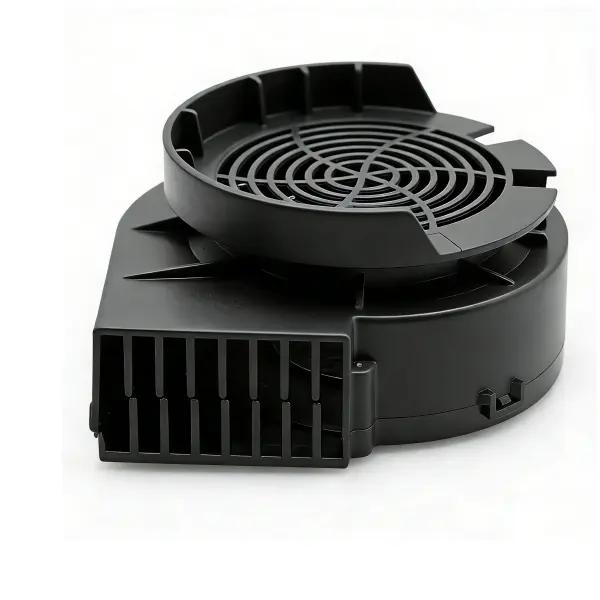
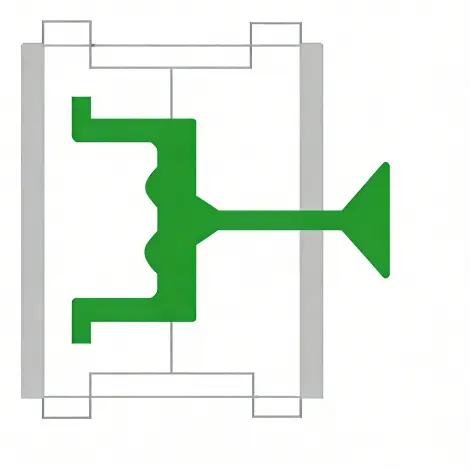
We engineer durable, high-precision production molds using hardened tool steels, designed for high-volume insert molding applications. Our robust mold construction ensures consistent part quality, reliable insert placement, and long-term manufacturing efficiency for complex plastic-metal components.

Get a quote

Insert Molding Materials

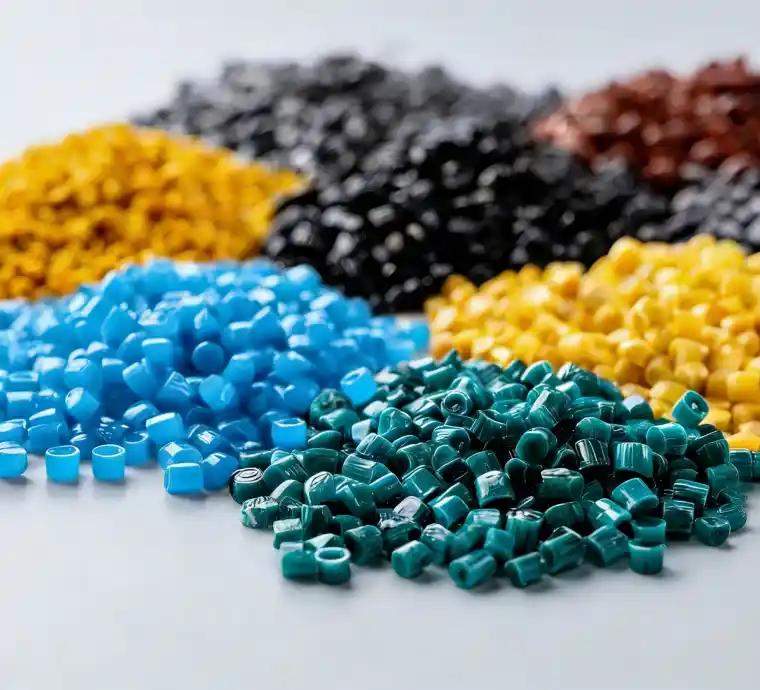
Select from a wide range of engineering plastics for your insert molding project. Each material offers specific properties for performance, appearance, and cost.

PLASTICS

ABS
ABS

ABS

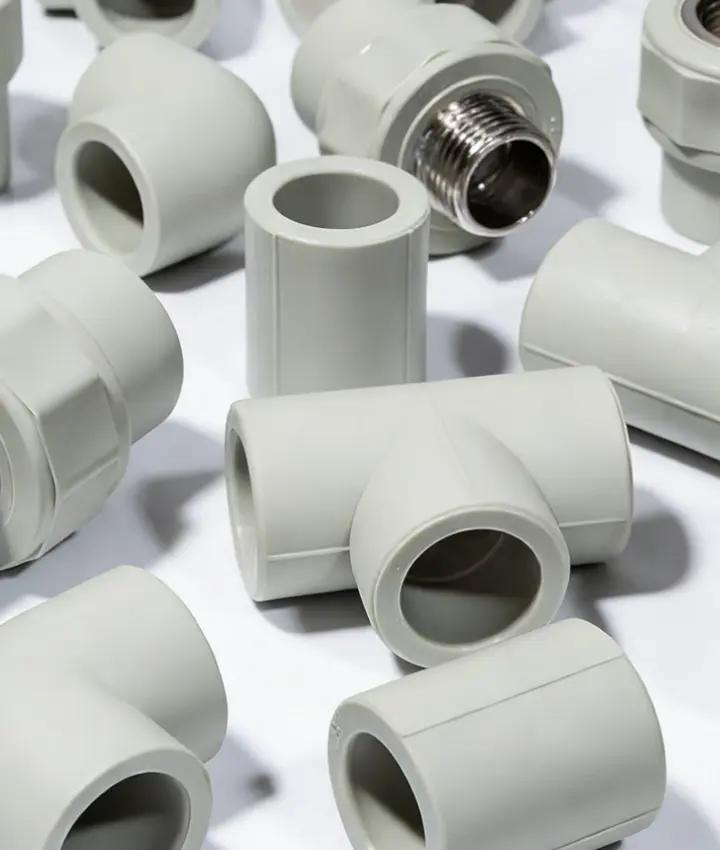
ABS (Acrylonitrile Butadiene Styrene) is a strong, durable, and impact-resistant engineering thermoplastic. It offers excellent heat resistance and dimensional stability, making it a popular choice for automotive components, consumer electronics, and household goods.

Color:Beige Black White
Subtypes:ABS Natural (Beige), ABS Black, ABS Black (Antistatic), ABS White, ABS+PC Blend (Black), Flame Retardant ABS (Beige, Black, UL94 Rated).
Price:$$
Lead Time:Approx 5 business days

Insert Molding Tooling Solutions

JS Precision's insert molding solutions combine advanced engineering techniques with rigorous quality control to deliver high-performance, high-precision injection molded components for demanding applications.

Insert molding capabilities diagram
StandardsDescription
Maximum Part Size1200 × 800 × 400 mm 47.24 × 31.50 × 15.75 in
Minimum Part Size2 × 2 × 2 mm 0.06 × 0.06 × 0.06 in
Substrate Wall Thickness0.3–5 mm 0.012–0.197 in
Tolerance±0.02 mm ±0.0008 in
Insert TypesMetal, ceramic, threaded, electronic and structural inserts for enhanced utility and performance
Mold ValidationT0, T1, T2 samples with full dimensional report and functional test validation
Inspection & CertificationFirst Article Inspection (FAI), ISO 9001:2015, ISO 13485, RoHS/REACH compliance, material traceability
Lead TimeFrom mold design approval to sample delivery within 10–40 business days

Insert Molding Design Guidelines

JS Precision provides expert design guidelines for insert molding and overmolding to ensure manufacturability, structural reliability, and cosmetic quality. Following these engineering principles helps reduce production time, optimize tooling performance, and achieve consistent high-volume output.

SpecificationUSMetric
Maximum Part Size20 in. x 32 in. x 8.5 in.508 mm x 812.8 mm x 216 mm
Volume65 cu. in.1,065,200 cu. mm
Depth4.5 in. from parting line114.3 mm from parting line
Projected Mold Area180 sq in. (plastic) 50 sq in. (LSR/silicone)116,128 sq mm (plastic) 32,258 sq mm (LSR/silicone)

Additional Notes:

  • Minimum recommended part volume is 0.03 cu. in. (49.16 cu. mm).
  • For thermoplastic substrate molds, standard machining tolerance is ±0.0025 in. (0.064 mm) with resin shrinkage accounted for in design.
  • When using liquid silicone rubber (LSR) overmolds, dimensional tolerance shifts to ±0.02 in./in. (0.02 mm/mm) due to material elasticity.
  • Insert positioning features and wall thickness uniformity are critical to preventing warp and achieving uniform encapsulation.
  • Gate location and venting design should be reviewed during DFM to ensure complete fill and avoid air traps.

Insert Molding vsOvermolding

Insert molding vs overmolding

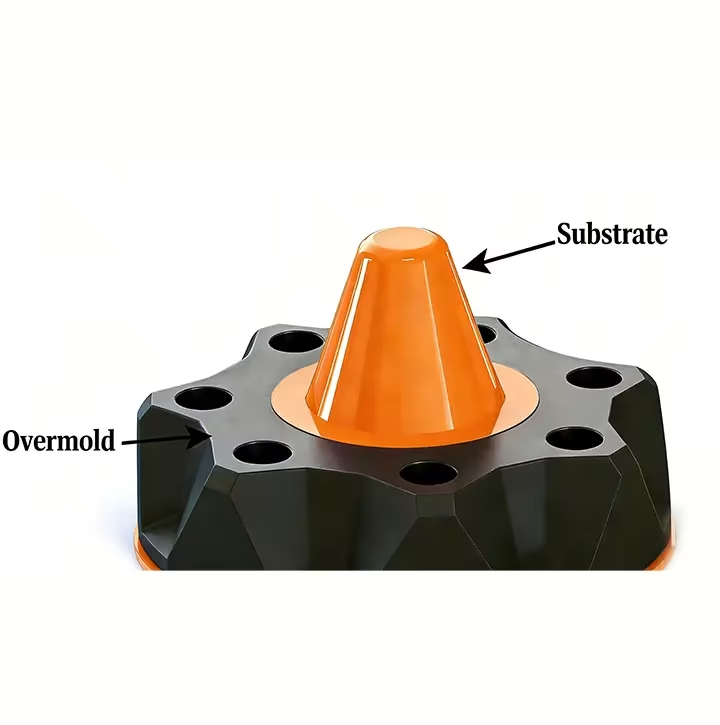
Insert molding embeds pre-formed components such as metal or ceramic inserts directly into plastic during a single injection cycle, creating a structurally unified part. Overmolding is a sequential molding process in which a secondary material like thermoplastic elastomer (TPE) or silicone is molded onto a rigid substrate to combine multiple material properties in one component.

  • Process & Material Integration

    Insert molding permanently bonds metal inserts into plastics within one cycle, enhancing part strength and eliminating assembly steps. Overmolding layers materials such as soft TPE over rigid substrates to achieve ergonomic, sealed, or multi-texture components.

  • Performance & Functional Advantages

    Insert molding improves structural integrity and electrical connectivity, ideal for connectors and sensors. Overmolding provides tactile, aesthetic, and protective benefits for handles, seals, and wearable devices.

  • Application-Driven Selection

    Choose insert molding for durable, integrated metal-plastic assemblies requiring high precision. Select overmolding for multi-material parts where soft touch, vibration dampening, or environmental sealing is needed.

Get a Quote

Insert Molding Success Stories

JS Precision partners with companies across automotive, aerospace, medical, electronics, and robotics industries. From component innovators to global Tier 1 suppliers, we provide precision insert molding solutions trusted for mission-critical applications.

Liquid-Cooled Power Module for Electric Vehicle Drive Systems
Automotive

Liquid-Cooled Power Module for Electric Vehicle Drive Systems

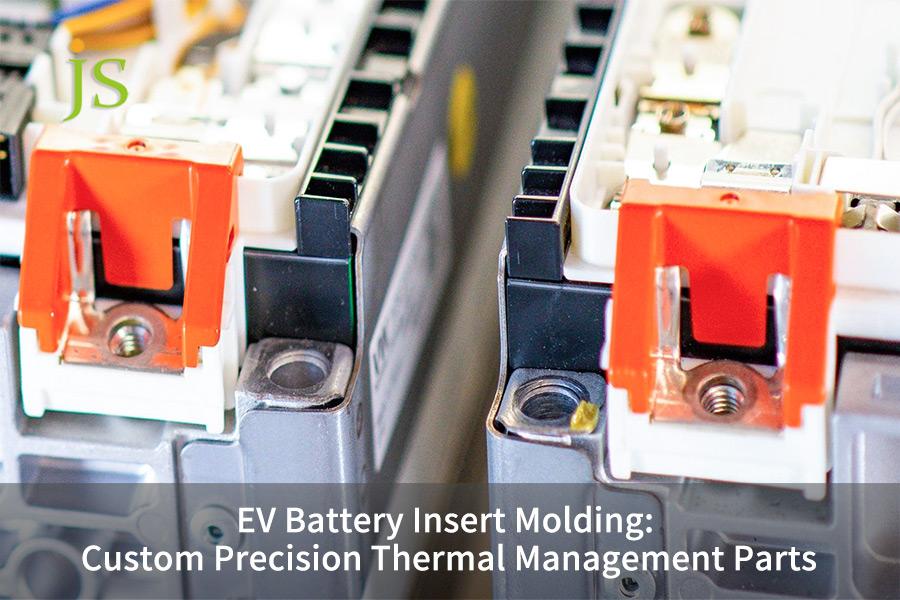
This project showcases our advanced insert molding capabilities in thermal management. We successfully overmolded complex copper cooling channels directly onto a silicon carbide power substrate, creating a sealed, lightweight assembly that dissipates heat 60% more efficiently than traditional bolted solutions.

50%
Weight Reduction
99.7%
Post-Mold Seal Integrity Rate
Read Full Case Study
Hermetic Sensor Housing for Satellite Attitude Control Systems
Aerospace

Hermetic Sensor Housing for Satellite Attitude Control Systems

This project demonstrates our expertise in high-reliability insert molding for space-grade components. We successfully encapsulated delicate piezoelectric crystal arrays within a hermetically sealed titanium-polymer hybrid housing, ensuring signal integrity and mechanical survival under extreme thermal-vacuum cycling.

99.99%
Post-Mold Hermetic Seal Yield
60%
Mass Reduction vs. Traditional Assembly
Read Full Case Study
Miniature Neurostimulation Electrode Array for Chronic Pain Management
Medical

Miniature Neurostimulation Electrode Array for Chronic Pain Management

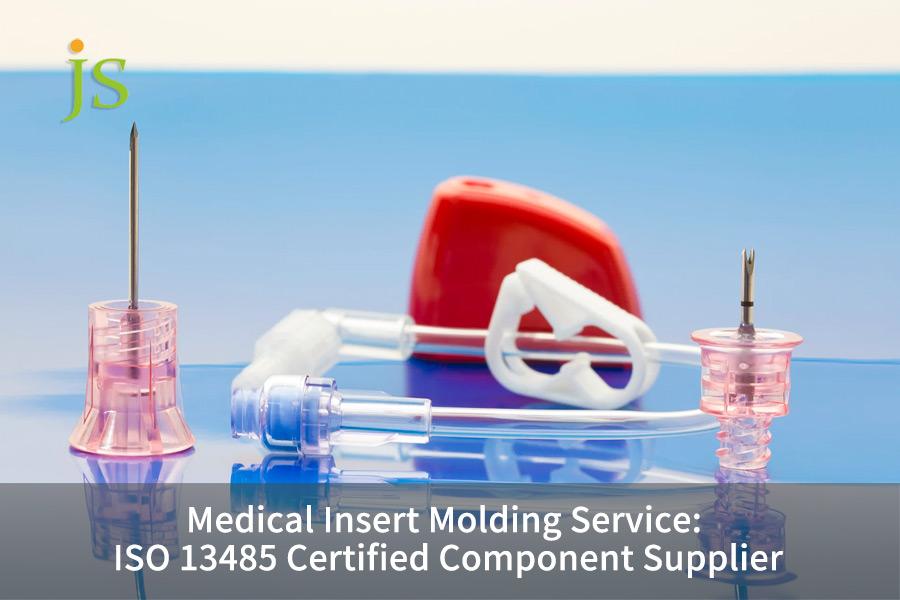
This project showcases the advanced capabilities of micro insert molding in active implantable medical devices. We successfully encapsulated a high-density array of platinum iridium electrodes within an ultra-thin, flexible silicone substrate, achieving reliable electrical isolation and long-term biostability for a novel neuromodulation system.

99.98%
Device Hermeticity Yield
70%
Assembly Process Streamlining
Read Full Case Study
Flexible Tactile Sensor Array for Collaborative Robot Grippers
Robotics

Flexible Tactile Sensor Array for Collaborative Robot Grippers

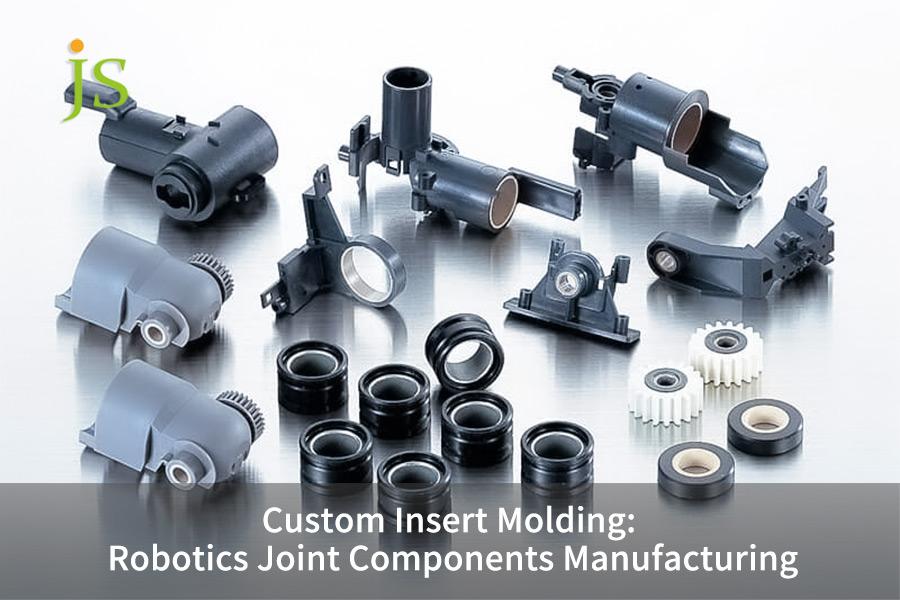
This project showcases the precision of micro insert molding for advanced robotic sensing. We successfully encapsulated a dense matrix of micro-pressure sensors and conductive traces within a durable, flexible silicone skin, creating a seamless human-like tactile interface for adaptive robotic manipulation.

15 μm
Sensor Alignment Precision
60%
Assembly Steps Eliminated
Read Full Case Study

Applications of Insert Molding

Custom insert molding produces integrated, high-performance components across critical industries by embedding inserts with precision.

  • Consumer Electronics

    Ideal for manufacturing durable, high-volume items such as device housings and connectors, enhancing product functionality and design integration.

  • Medical Devices

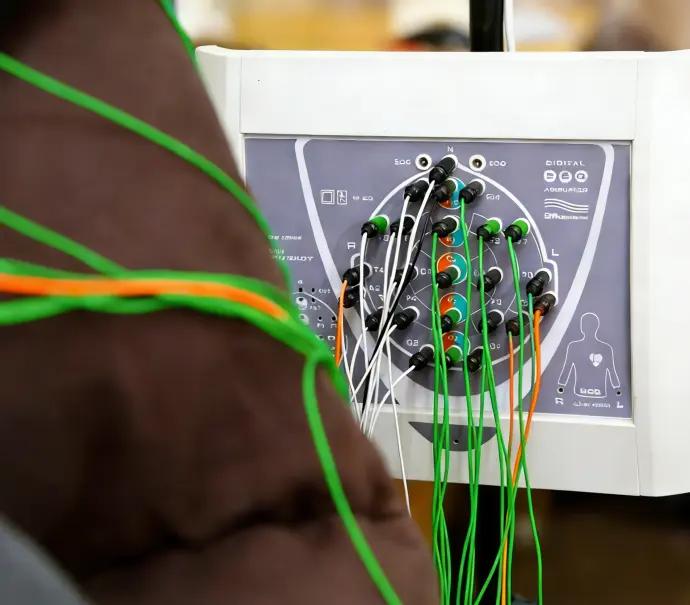
    Enables production of sterile, biocompatible surgical instruments and implantable components that meet stringent regulatory and safety standards.

  • Automotive & Aerospace

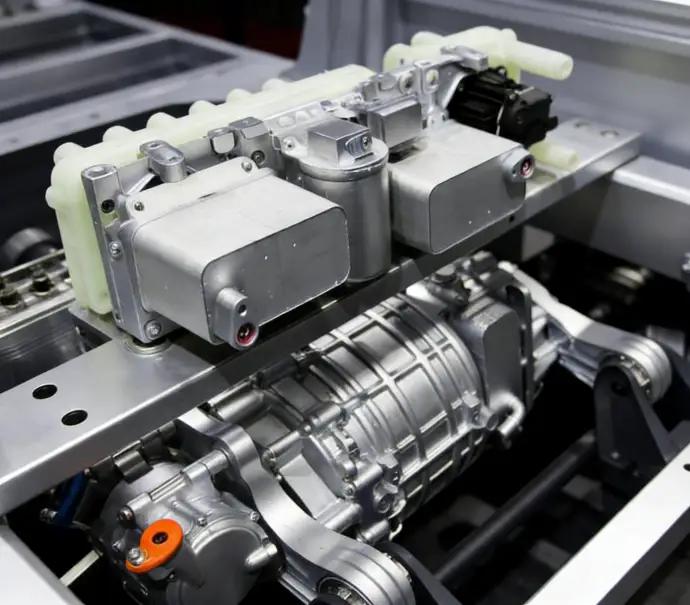
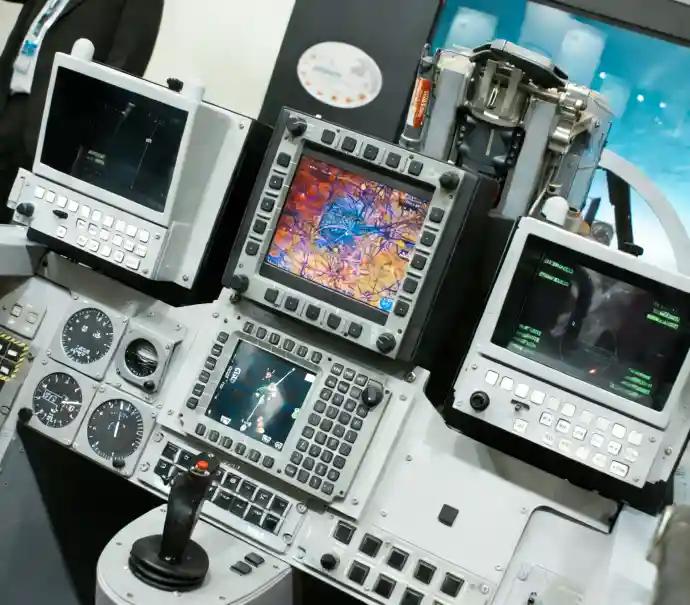
    Applied in creating robust, lightweight parts including sensor housings and cockpit controls designed for extreme environmental resistance.

  • Industrial Equipment

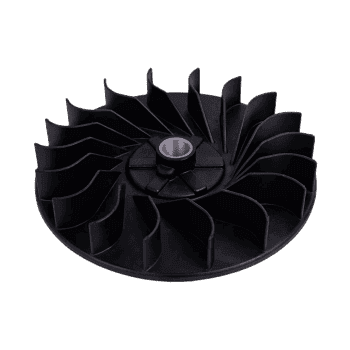
    Supports the fabrication of precision components such as encoder wheels and structural housings, improving reliability in automated systems.

Applications of insert molding
Insert molding process advantages

Insert Molding Process Advantages

Our custom insert molding solutions deliver enhanced product performance and manufacturing efficiency through integrated precision engineering.

  • Structural Integrity

    Integrating metal or ceramic inserts creates robust components with superior mechanical strength and reliable, long-term thread functionality under high-stress conditions.

  • Process Efficiency

    As a single-cycle molding technique, our insert molding service consolidates multiple assembly steps, reducing production time and minimizing overall part cost while ensuring exceptional durability.

  • Design Flexibility

    Ideal for both functional prototyping and high-volume production, our service enables the creation of complex, multi-material parts that meet precise performance specifications across diverse industries.

Insert Molding Quality Control

We maintain precision at every step of the insert molding process, from mold validation to final inspection, ensuring reliable part performance and consistent production outcomes.

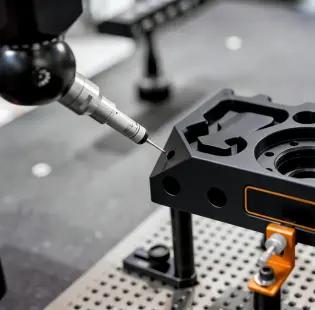
Insert molding quality control 1
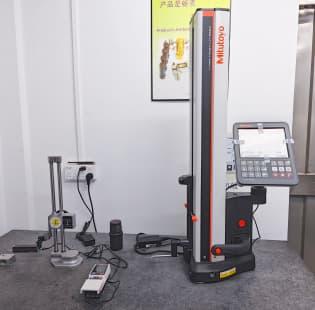
Insert molding quality control 2
Insert molding quality control 3
Insert molding quality control 4

Mold Design & Pre-production Validation

Our quality process begins with precision mold design and simulation. We conduct mold flow analysis and insert placement verification to optimize part integrity and manufacturability before tooling approval.

In-Process Monitoring & Stability

During production, critical parameters such as insert positioning, injection pressure, and temperature are monitored in real-time. Regular dimensional and visual checks ensure process stability and prevent deviations, supporting high-volume consistency.

Final Verification & Testing

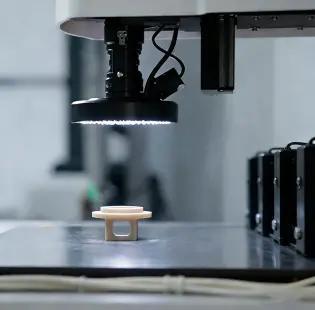
Each molded component undergoes final inspection. Dimensional accuracy, insert bond strength, and cosmetic finish are validated using CMM, pull-testers, and optical comparators to meet strict specification requirements.

Learn more

Insert Molding Latest News

Stay informed with the latest updates and announcements from JS Precision. Learn about our most recent projects.

We work with a wide range of materials for inserts, including metals, plastics, ceramics, and textiles. Whether it's a threaded nut, a screw, or an electronic connector, we can integrate it into the mold efficiently.

Insert molding streamlines your production by eliminating secondary assembly steps, increasing strength, and ensuring component reliability. It also reduces part count and material use, making it a cost-effective solution.

For standard orders, lead times typically range from 2 to 3 weeks, depending on part complexity and order size. We offer expedited services to meet tighter deadlines when necessary.

Yes! We're fully equipped to handle both small prototype runs and large-scale production. Whether you're testing your design or scaling for mass production, we have the capacity and expertise to support your needs.

Absolutely! By embedding inserts into the molding process, insert molding creates stronger bonds between materials, enhancing the durability and mechanical properties of the final part.

Costs for insert molding vary depending on factors such as the type of inserts, mold complexity, and production volume. We can provide a detailed and competitive quote tailored to your project's needs.

We use precision fixtures and advanced automation to ensure perfect alignment of inserts in the mold, resulting in consistently high-quality parts.

Yes, we can integrate both metal and plastic inserts into a single part, offering a solution that combines strength, conductivity, and insulation as required.

Upload your design files

and start production immediately

Get Instant Quote
HomeQuoteEmailWhatsApp