





Custom Overmolding Services

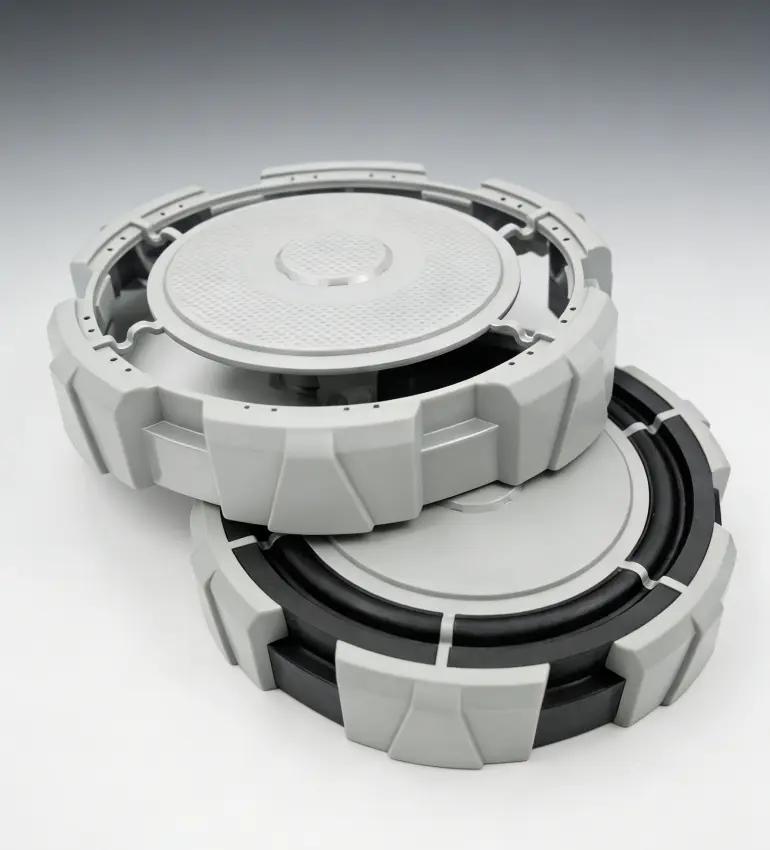
JS Precision provides professional custom overmolding services, bonding soft materials to rigid substrates for enhanced grip, sealing, and durability. Ideal for tool handles, electronics, and medical devices.

  • Rapid Quoting & Evaluation: Get DFM analysis & quotes in 15–45 days.
  • Multi-Material Expertise: Strong bonding with 7.2 MPa strength via two-shot molding.
  • Precision Mold Support: Full engineering with ±0.025 mm tolerance control.
  • Cost Efficiency: High-volume cycles as fast as 30–60 seconds, reducing assembly.
Get Instant Quote
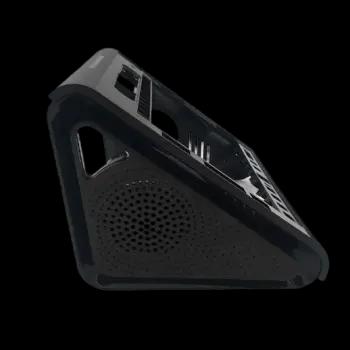
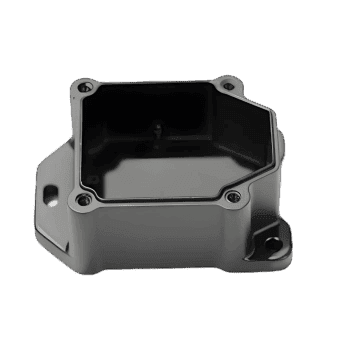
Part 1
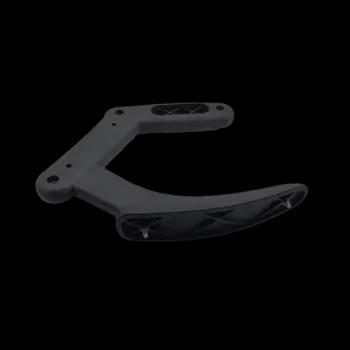
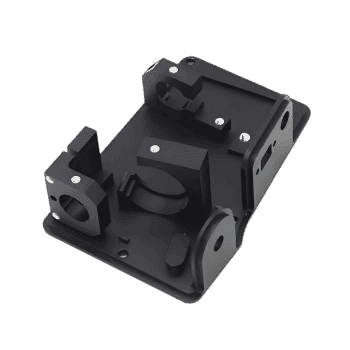
Part 2
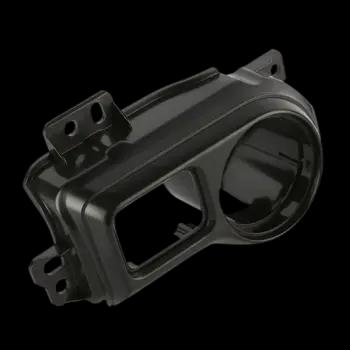
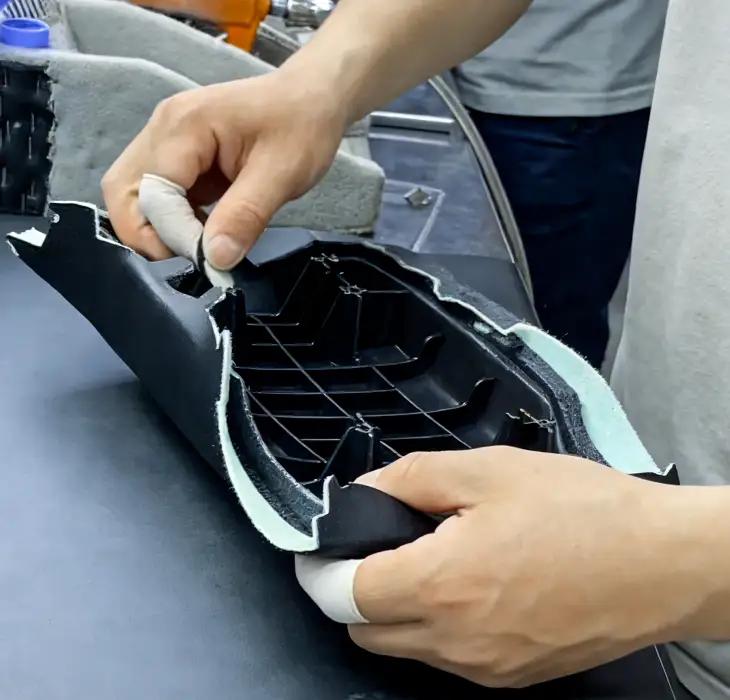
Part 3

Upload Your Design & Get an instant Quote Now!

Get instant pricing, project lead times, and DFM feedback

STEP | STP | SLDPRT | STL | DXF | IPT | X_T | X_B | 3DXML | CATPART | PRT | SAT | 3MF | JT files

All uploads are secure and confidential

Trusted by Engineers and Purchasing Leaders at the World's Most Successful Companies

15+Years in Overmolding
180,000+Precision Overmolding Delivered
800+Global Clients Served
99.5%On-Time Delivery
ISO9001:2015 Certified

Trusted bynumerous companies

ABB
BMW
Bombardier
Electrolux
FLIR Systems
Google
i-dent
Lamborghini
Tesla
ABB
BMW
Bombardier
Electrolux
FLIR Systems
Google
i-dent
Lamborghini
Tesla

JS Precision has produced over 300,000 unique parts for more than 1,000 clients worldwide, helping bring their custom projects from concept to reality.

What isOvermolding?

What is overmolding — multi-material injection molding with soft material over rigid substrate

Overmolding is an advanced multi-material injection molding process. It permanently fuses a soft, flexible material, such as TPE or silicone, over a rigid thermoplastic substrate, like PC or ABS, to create a single, integrated component. This technique merges the structural strength of rigid plastics with the enhanced functionality of soft elastomers.

  • Key advantages

    Key advantages of overmolding include superior product durability, improved ergonomic grip, effective environmental sealing, and streamlined assembly by reducing part count. It is essential for applications demanding enhanced user interaction, protection, and aesthetic quality across industries like automotive, medical devices, and consumer electronics.

  • Our overmolding expertise

    At JS Precision, we specialize in custom plastic overmolding and two-shot molding. We deliver robust material bonds, high dimensional accuracy, and consistent production quality from prototyping to high-volume manufacturing.

Ready to optimize your part with overmolding?

Get Your Custom Quote

Overmolding Process

Plastic over plastic overmolding part

Plastic over Plastic

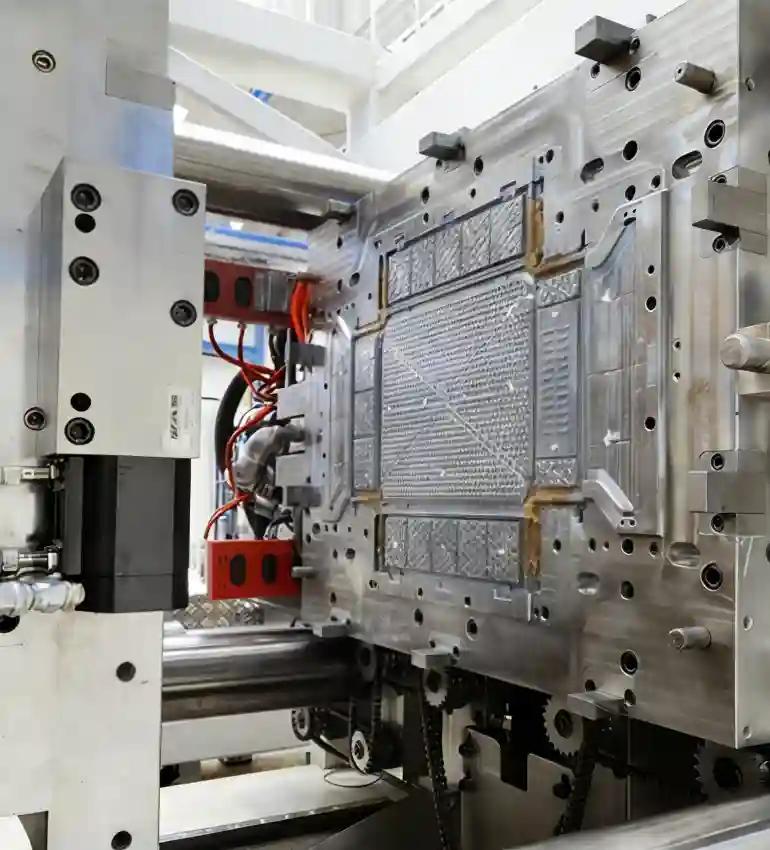
Essential for high-volume manufacturing, this process utilizes precision-engineered steel or aluminum injection molds to produce complex, repeatable parts with consistent accuracy.

  • Aluminum and steel injection mold
  • Enables intricate part geometries
  • Optimized for scalable production
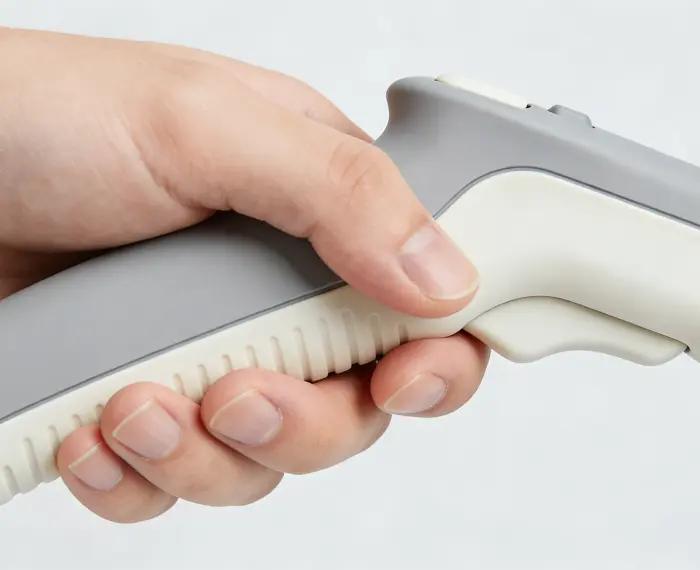
Rubber over plastic overmolding part

Rubber Over Plastic

This technique enhances product performance and aesthetics by bonding rubber to plastic substrates, integrating soft-touch surfaces, ergonomic grips, and multi-material designs.

  • Increases durability and product lifespan
  • Seamless multi-material fusion
  • Provides versatile color and texture finishes
Plastic over metal insert molding part

Plastic Over Metal

Insert molding encapsulates metal components within plastic during fabrication, strengthening assembly integrity and streamlining production by reducing post-processing steps.

  • Minimizes secondary assembly operations
  • Boosts structural reliability
  • Reduces overall manufacturing costs
Rubber over metal overmolding part

Rubber Over Metal

Combining rubber with metal inserts through overmolding improves functional properties such as shock absorption, grip security, and environmental sealing in critical components.

  • Eliminates additional assembly stages
  • Enhances part resilience and longevity
  • Lowers total cost of production

Overmolding Tooling Solutions

PROTOTYPING

Rapid Tooling

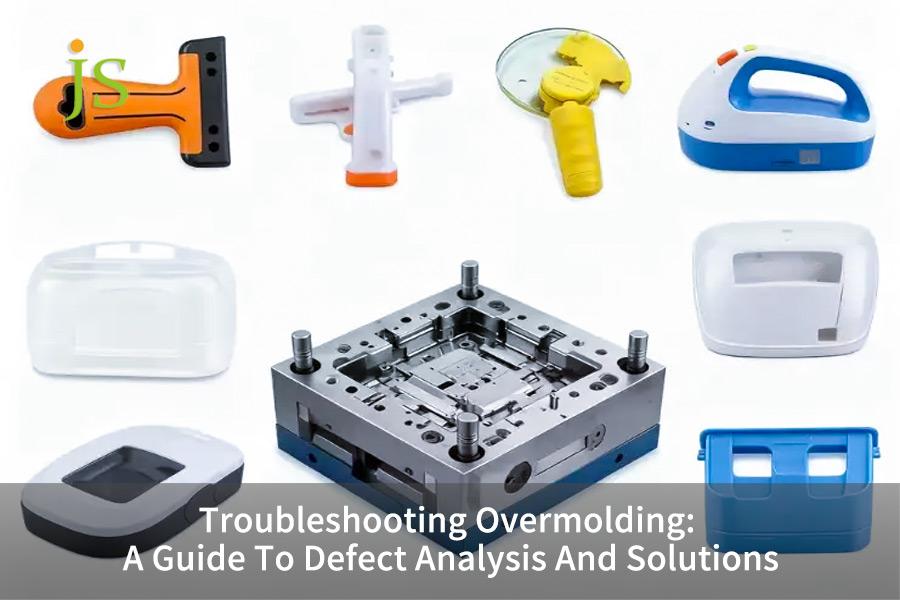
Achieve swift design validation with high-quality prototype tooling. Our rapid injection molding service delivers functional prototypes in days, utilizing durable steel molds with a shot life of 1,000 to 5,000 shots for effective testing and market feedback. Typical lead time is two weeks.

Learn More

PRODUCTION

Production Tooling

Engineered for high-volume manufacturing, our production molds are built from high-strength tool steel for maximum durability and longevity. Capable of enduring over 10,000 shots, these precision molds support large-scale production of consistent, high-quality plastic parts, with completed tooling typically delivered within three weeks.
Get a quote

Material Combinations For Overmolding Technology

Advanced overmolding processes create superior composite material systems by fusing substrates with specialized polymers. These combinations yield integrated components with enhanced properties for critical applications across industries.

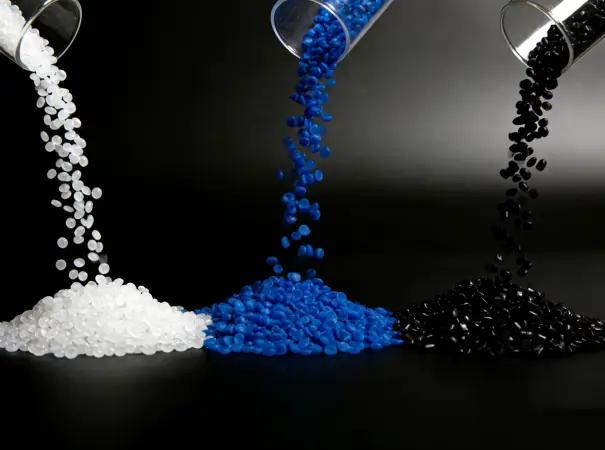
Plastic resin pellets for overmolding material combinations

Functional Synergy

Create strong molecular bonds without secondary adhesives. Combining PP with SEBS-based TPEs forms a durable interlock, providing chemical resistance and withstanding gamma sterilization exceeding 25kGy, ideal for medical device grips and seals.

SubstrateOvermold MaterialKey ApplicationsCompliance Standards
PPTPE, SEBSMedical tool grips, sealsISO 10993, FDA 21 CFR
ABSTPUWearable bands, protective casesRoHS, IEC 60529
PCLiquid Silicone RubberOptical components, automotive switchesIATF 16949, LFGB
Nylon (PA6/66)TPVFluid connectors, cable glandsUL94 V-0, SAE J2640
PBTReinforced TPEPower tool housings, connectorsIEC 60695, UL 746C
Metal InsertsTPU, TPESurgical handles, dampening mountsISO 2768, ASTM D638
PEEKHigh-performance ElastomersAerospace seals, semiconductor partsASTM D2000, AS9100D
PLABio-based TPECompostable packaging, utensilsEN 13432, ASTM D6400

Performance Enhancement

Engineer solutions for harsh operational environments. The fusion of Nylon (PA6/PA66) with cross-linked TPV delivers excellent resistance to oils, fuels, and abrasion, featuring a low friction coefficient suitable for automotive seals and industrial components.

Sustainable Innovation

Develop next-generation eco-friendly products. Fusing bio-based TPEs with PLA substrates creates certified compostable solutions that can reduce carbon emissions by over 50%, meeting international standards for sustainable packaging and consumer goods.

JS Precision's Overmolding Finishes

Our injection molding services offer the full spectrum of SPI surface finish standards, from optical grade diamond polish (SPI A-1) to uniform technical stone finishes (SPI D-3). This comprehensive range ensures precise control over part aesthetics and functionality for diverse overmolding applications.

Available Finishes:

  • SPI A-1, SPI A-2, SPI A-3
  • SPI B-1, SPI B-2, SPI B-3
  • SPI C-1, SPI C-2, SPI C-3
  • SPI D-1, SPI D-2, SPI D-3
This standard finish represents the baseline surface condition directly from the precision tool, with no additional texturing or polishing applied. It provides a cost-effective solution suitable for non-visible components or functional interfaces where specific surface characteristics are not critical.

JS Precision Overmolding Capabilities

JS Precision provides professional overmolding services to manufacture integrated multi-material components with enhanced functionality and durability. Our custom overmolding injection molding process bonds distinct materials into a unified part, delivering superior product performance and consistent quality for demanding applications across various industries.

Overmolding capabilities and specifications diagram
SpecificationsDescription
Maximum Part Dimensions220 × 420 × 120 mm 8.66 × 16.54 × 4.72 in.
Minimum Part Dimensions2 × 2 × 2 mm 0.06 × 0.06 × 0.06 in.
Substrate Thickness Range0.4 to 4.0 mm 0.016 to 0.157 in.
Tolerance±0.02 mm ±0.0008 in.
Minimum Edge Radii0.08 mm 0.0031 in.
Maximum Undercut Depth120 mm from parting line 4.72 in. from parting line
Mold Sampling ValidationT0, T1, T2, T3 samples provided for comprehensive performance testing
Quality Assurance & CertificationPPAP documentation, First Article Inspection (FAI), ISO 9001:2015, IATF 16949, ISO 13485
Standard Project Lead Time12 to 35 business days (tooling to approved samples)

JS Precision Overmolding Design Guidelines

These strategic design considerations for overmolding ensure optimal manufacturability, superior cosmetic integration, and efficient production cycles for your multi-material components.

Design parameterUS CustomaryMetric
Maximum Part Size20 in. x 31 in. x 8.5 in.508mm x 787.4mm x 216mm
Volume65 cu. in.1,065,000 cu. mm
Depth4.5 in. from parting line114mm from parting line
up to 9 in. if parting line bisects part geometryup to 228.6mm if parting line bisects part geometry
Projected Mold Area190 sq in. (standard polymers)122,580 sq. mm (standard polymers)
55 sq. in. (silicone/elastomer overmolds)35,480 sq. mm (silicone/elastomer overmolds)

Additional Design Specifications:

  • Part height and aspect ratio may be limited when specifying Liquid Silicone Rubber (LSR) or soft TPE as the overmold material to ensure proper flow and adhesion.
  • The recommended minimum part volume for reliable overmolding process control is 0.03 cu. in. (49.2 cu. mm).
  • For thermoplastic substrate molds, JS Precision maintains a machining tolerance of ±0.0025 in. (0.0635mm). Design must also account for material-specific shrinkage for dimensional integrity.
  • Dimensional tolerance for components utilizing Liquid Silicone Rubber (LSR) overmolds typically adjusts to 0.020 in./in. (0.020mm/mm) due to the material's curing characteristics.

Customer Success Stories

JS Precision collaborates with industry leaders across the medical, automotive, consumer electronics, and industrial equipment sectors. We transform complex concepts into reliable, high-volume production realities through our advanced overmolding technology.

Ergonomic Surgical Instrument Handle: Enhancing Performance with Overmolding
Medical Devices

Ergonomic Surgical Instrument Handle: Enhancing Performance with Overmolding

This project exemplifies the synergy between advanced ergonomic design and precision multi-material molding. Facing challenges with grip security and sterilization durability, our team engineered a solution that integrated a rigid polycarbonate core with a soft-touch, chemical-resistant TPE overmold. The result was a seamless component that passed rigorous validation protocols.

40%
Faster Design Validation Cycle
30%
Tooling Cost Optimization
Read the Full Case Study
Ergonomic Controller Housing: Integrating Function with Multi-Material Design
Consumer Electronics

Ergonomic Controller Housing: Integrating Function with Multi-Material Design

This project required a durable, high-tactility housing for a professional gaming controller. Our team engineered an advanced overmolding solution, fusing a robust ABS substrate with a grippy, sweat-resistant TPE overmold. The process enhanced product durability and user experience, achieving seamless production for high-volume electronic device manufacturing.

50%
Faster Time to Market
30%
Unit Cost Reduction
Read the Full Case Study
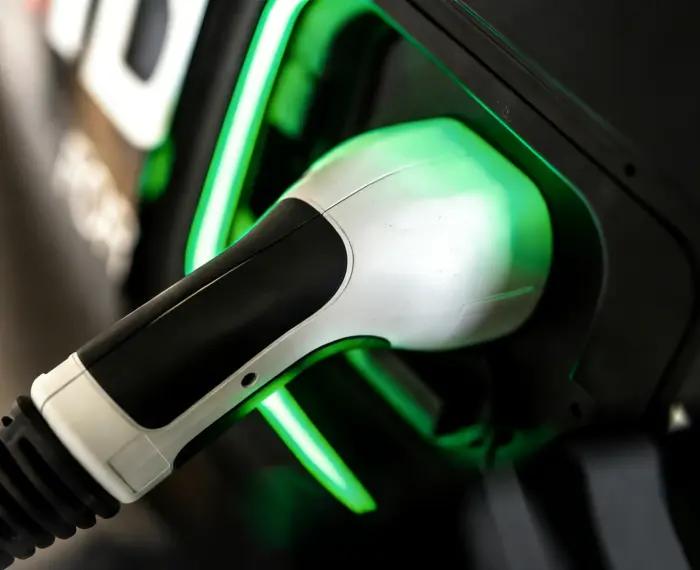
EV Charging Port Housing: Securing Connections with Precision Insert Molding
Automotive

EV Charging Port Housing: Securing Connections with Precision Insert Molding

This project required a durable, waterproof housing for an electric vehicle charging port. Our team delivered a robust insert molding solution, perfectly encapsulating metal terminals within a high-impact, UV-resistant PBT polymer. The result achieved an IP67 rating, withstanding harsh environmental conditions for reliable automotive parts production.

30%
Assembly Efficiency Gain
25%
Production Cost Optimization
Read the Full Case Study
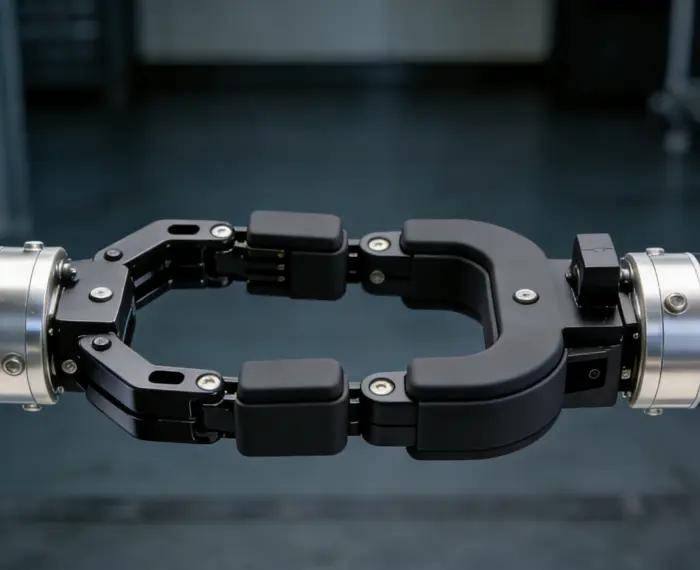
Collaborative Robot Gripper: Enabling Dexterous Handling with Multi-Material Molding
Robotics & Automation

Collaborative Robot Gripper: Enabling Dexterous Handling with Multi-Material Molding

Developing a sensitive yet durable gripper for a collaborative robot presented unique challenges. Our solution utilized a hybrid overmolding process, integrating a rigid PA66 structural frame with a flexible, high-friction TPE gripping surface. This enhanced both payload security and operational safety, meeting critical robotics manufacturing standards.

40%
Cycle Time Reduction
20%
Weight Reduction Achieved
Read the Full Case Study
Advantages of overmolding — multi-material injection molding

Advantages of Overmolding

The overmolding process integrates multiple materials into a single, high-strength component, enhancing product durability, functionality, and manufacturing efficiency.

  • Advanced Design for Custom Part Creation

    Our overmolding capabilities enable the production of complex, dimensionally stable custom parts, combining plastic with plastic or metal substrates.

  • Enhanced Functional Product Performance

    Multi-material construction provides superior properties, such as environmental sealing paired with structural rigidity or ergonomic soft-touch surfaces.

  • Superior Aesthetic and Market Appeal

    Utilize a broad material palette and advanced finishing to significantly improve product aesthetics, texture, and brand perception.

  • Improved Impact Resistance and Durability

    The addition of elastomeric materials through insert molding enhances shock absorption and vibration dampening for longer product life.

  • Optimized Production Efficiency and Cost Reduction

    Integrating assembly into one automated overmolding process eliminates secondary steps, speeding cycles and lowering unit costs.

Applications of Overmolding

Injection overmolding is compatible with engineering thermoplastics, elastomers, and metals, ideal for producing both functional prototypes and high-volume end-use parts.

  • Medical Devices and Surgical Instruments

    Meet stringent safety standards by creating biocompatible, ergonomic handles for surgical tools, durable housings, and complex diagnostic components.

  • Electrical Systems and Connectors

    Employ TPE or LSR overmold materials to provide essential sealing, strain relief, and insulation for connectors, cables, and sensor housings.

  • Industrial Tools and Hardware

    Enhance product functionality with secure, non-slip grips for hand tools, improved comfort for power tool handles, and increased durability.

  • Consumer Electronics and Robotics

    Design user-friendly interfaces, protective seals for wearables, and durable grips for controllers or robotic end-effectors.

  • Automotive and Aerospace Components

    Manufacture sealed switches, dampened modules, and protected sensors capable of withstanding extreme environmental conditions.

Applications of overmolding — parts across industries

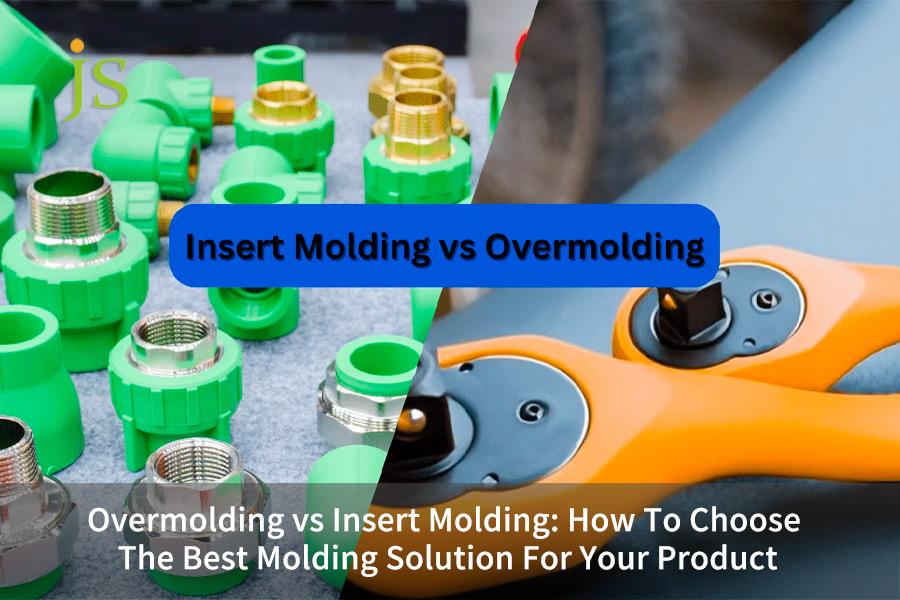
Overmolding Vs. Insert Molding

Overmolding and insert molding are specialized injection molding techniques for manufacturing multi-material parts. Overmolding sequentially bonds a secondary material, like an elastomer, onto a pre-formed substrate. Insert molding encapsulates a pre-placed component, such as a metal insert, with molten plastic in one cycle.

AspectOvermoldingInsert Molding
Process FlowSequential molding: substrate formation followed by secondary material application.Single-step process: plastic injection around a pre-positioned solid insert.
Material PairingThermoplastic elastomer over a rigid plastic substrate (e.g., TPE on ABS).Plastic resin encapsulating metal or other solid inserts (e.g., Nylon over brass).
Equipment NeedsStandard injection press with compatible, often multi-stage, mold tooling.Standard machine with systems for accurate insert loading, often automated.
Bonding MechanismAchieves integration through material compatibility and surface adhesion.Creates strength via geometric encapsulation and mechanical interlock around the insert.
Part ArchitectureYields layered components with enhanced tactile, sealing, or protective qualities.Produces reinforced assemblies where the insert adds structural or functional properties.
Relative Mold Expense$$$
Standard Cycle Time30 to 60 seconds, including necessary cure stages between shots.45 to 90 seconds, depending on insert placement speed and complexity.
Ideal ApplicationsMedical device grips, tool handles, consumer electronics with soft-touch surfaces.Electrical connectors, automotive components, surgical tools with embedded metal parts.

Overmolding Quality Control

Our systematic quality management ensures part integrity and performance, achieving a consistent 95% first-pass yield for overmolded components through multi-stage validation.

Overmolding quality control 1
Overmolding quality control 2
Overmolding quality control 3
Overmolding quality control 4

Mold Validation & Process Confirmation

Precision mold design analysis and rigorous trial runs confirm material compatibility and bonding integrity before high-volume production, ensuring process stability from the start.

In-Process Monitoring & Control

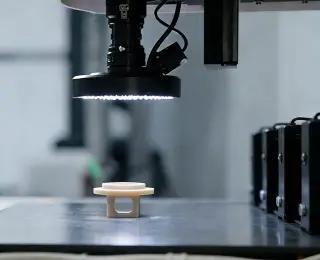
Key injection parameters—temperature, pressure, cycle time—are tracked in real-time by automated systems. Continuous dimensional and visual checks maintain stringent quality standards throughout the overmolding cycle.

Final Verification & Compliance

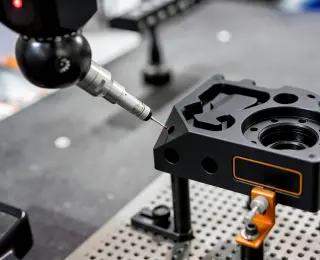
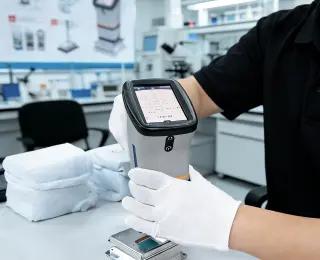
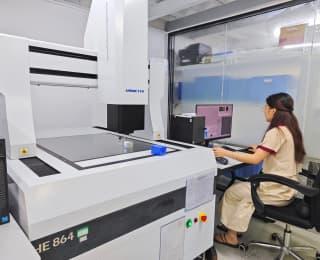
Finished components undergo comprehensive inspection of dimensions, surface finish, and bond strength. Advanced metrology, including CMM scanning and tensile testing, verifies compliance with all performance specifications.

Learn More

Overmolding is a manufacturing technique where one material is molded over another, typically to create multi-functional parts. It enhances product performance by combining materials with different properties, such as rigid plastics and flexible elastomers.

Overmolding allows you to integrate multiple materials into a single part, enabling innovative design features like ergonomic grips, waterproof seals, and improved aesthetics without additional assembly.

By applying soft-touch materials like TPE or silicone over rigid plastic substrates, overmolding creates a more comfortable and ergonomic surface, perfect for handles, grips, and other user-interactive parts.

Yes, overmolding is commonly used to create waterproof seals, especially in electronic devices and automotive parts, providing excellent moisture resistance.

The typical lead time for overmolded parts is between 2-4 weeks, depending on the complexity of the design and the order volume. We also offer expedited services for urgent needs.

By eliminating the need for additional assembly processes, overmolding reduces labor costs and the number of parts, ultimately leading to faster production and lower overall costs.

Yes, we offer both prototype and high-volume production services. Whether you need a single prototype or thousands of parts, our facilities can accommodate projects of any size.

We use advanced techniques, including selecting compatible materials and optimizing molding parameters, to ensure strong adhesion between materials. In some cases, surface treatments or primers may be applied to enhance the bond.

Upload your design files

and start production immediately

Get Instant Quote
HomeQuoteEmailWhatsApp